




-1.jpg)

Understanding the F23 Fault Code on Vaillant Boilers Causes and Troubleshooting Tips
- Szymon Wielinski

- Jan 23
- 3 min read

When your Vaillant boiler displays the F23 fault code, it signals a problem that needs attention. This error can disrupt your heating and hot water supply, causing inconvenience and discomfort. Understanding what the F23 code means, its common causes, and how to troubleshoot it can save you time and money. This guide will walk you through everything you need to know about the F23 fault code, helping you decide when to try simple fixes and when to call a professional.
What Does the F23 Fault Code Mean?
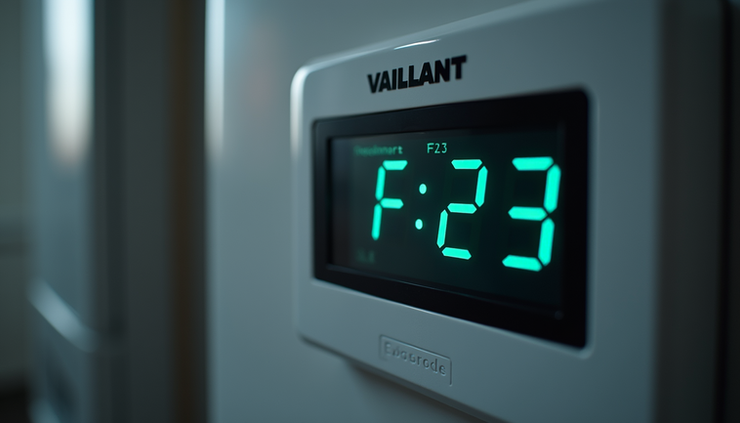
The F23 fault code on a Vaillant boiler indicates a problem with the flame detection system. Specifically, the boiler is unable to detect the flame during the ignition process. This means the boiler tries to light the burner, but the flame sensor does not confirm that the flame has successfully ignited.
Without flame detection, the boiler will shut down as a safety measure to prevent gas leaks or unsafe operation. This fault is common in many Vaillant models and usually points to an issue with ignition or flame sensing components.
Common Causes of the F23 Fault Code
Several factors can trigger the F23 error. Understanding these causes helps you narrow down the problem:
Dirty or Faulty Flame Sensor
The flame sensor detects the presence of a flame. If it is dirty, covered in soot, or faulty, it may fail to detect the flame even if the burner is lit.
Ignition Failure
Problems with the ignition system, such as a faulty ignition electrode or spark generator, can prevent the burner from lighting.
Gas Supply Issues
If the gas supply is interrupted, insufficient, or the gas valve is malfunctioning, the burner will not ignite properly.
Airflow or Ventilation Blockage
Blocked flues, vents, or air intakes can cause incomplete combustion or prevent ignition.
Faulty PCB (Printed Circuit Board)
In rare cases, the boiler’s control board may fail to recognize the flame signal due to an internal fault.
Electrical Connections
Loose or damaged wiring to the flame sensor or ignition components can cause communication errors.
Troubleshooting Steps for Homeowners
Before calling a technician, you can try some basic troubleshooting steps to identify or fix the issue safely. Always ensure your safety and switch off the boiler before inspecting any parts.
Reset the Boiler
Sometimes, the fault code appears due to a temporary glitch. Resetting the boiler can clear the error:
Locate the reset button on your Vaillant boiler.
Press and hold it for a few seconds.
Wait for the boiler to restart and see if the F23 code returns.
If the fault clears, monitor the boiler for recurring issues.
Check the Gas Supply
Ensure your gas supply is active:
Confirm other gas appliances are working.
Check the gas meter to see if it is running.
Make sure the gas valve to the boiler is open.
If you suspect a gas supply issue, contact your gas provider or a professional immediately.
Check for Blockages
Inspect the flue terminal outside your home for blockages like leaves, nests, or debris.
Ensure air vents and intake pipes are clear.
Blocked airflow can cause ignition failure and trigger the F23 code.
Examine Electrical Connections
Look for loose or damaged wires connected to the ignition and flame detection system.
Tighten any loose connections carefully.
If you find damaged wiring, avoid DIY repairs and call a professional.
When to Call a Professional
While some troubleshooting steps are safe for homeowners, many issues require expert knowledge and tools. Contact a qualified heating engineer if:
The F23 fault code persists after resetting and basic checks.
You are uncomfortable or unsure about opening the boiler casing.
You suspect a gas supply problem or smell gas.
The flame sensor or ignition electrode appears damaged.
The boiler shows other fault codes or unusual behavior.
It has been more than a year since your last boiler service.
Professionals have the training and equipment to diagnose and repair complex faults safely. Attempting repairs beyond your skill level can be dangerous and may void your warranty.
Preventing the F23 Fault Code
Regular maintenance helps avoid the F23 error and keeps your boiler running efficiently:
Schedule annual servicing by a Gas Safe registered engineer.
Keep the area around the boiler clean and free of dust.
Check and clear flue terminals and air vents regularly.
Monitor your boiler’s performance and address minor issues early.


Comments