




-1.jpg)

Maximize Energy Efficiency and Savings with Air Source Heat Pump Installation by The Essential Connection
- Szymon Wielinski

- Feb 2
- 3 min read
Air source heat pumps (ASHPs) are transforming how homes and businesses in Elmbridge Borough reduce energy costs and carbon footprints. These systems extract heat from the outside air to warm indoor spaces, offering a cleaner, more efficient alternative to traditional heating methods. The Essential Connection specializes in high-end ASHP installations tailored to Elmbridge properties, combining expert knowledge with quality workmanship.
This post explores the benefits of air source heat pumps, walks you through the installation process, highlights common challenges, and shares practical tips and real-life examples to help you make an informed decision.

Why Choose Air Source Heat Pumps for Energy Efficiency and Cost Savings?
Air source heat pumps offer several advantages that make them an attractive choice for heating and cooling:
Lower Energy Bills
ASHPs use electricity to move heat rather than generate it by burning fuel. This process can reduce heating costs by up to 50% compared to electric or gas boilers.
Reduced Carbon Emissions
By relying on renewable heat from the air, ASHPs cut greenhouse gas emissions significantly, supporting local and national climate goals.
Year-Round Comfort
Many ASHPs provide both heating and cooling, making them versatile for different seasons.
Low Maintenance
With fewer moving parts than combustion-based systems, ASHPs require less upkeep, lowering long-term costs.
Eligibility for Incentives
In Elmbridge and across the UK, homeowners may qualify for government grants or schemes that offset installation costs.
These benefits make ASHPs a smart investment for those seeking sustainable, cost-effective heating solutions.

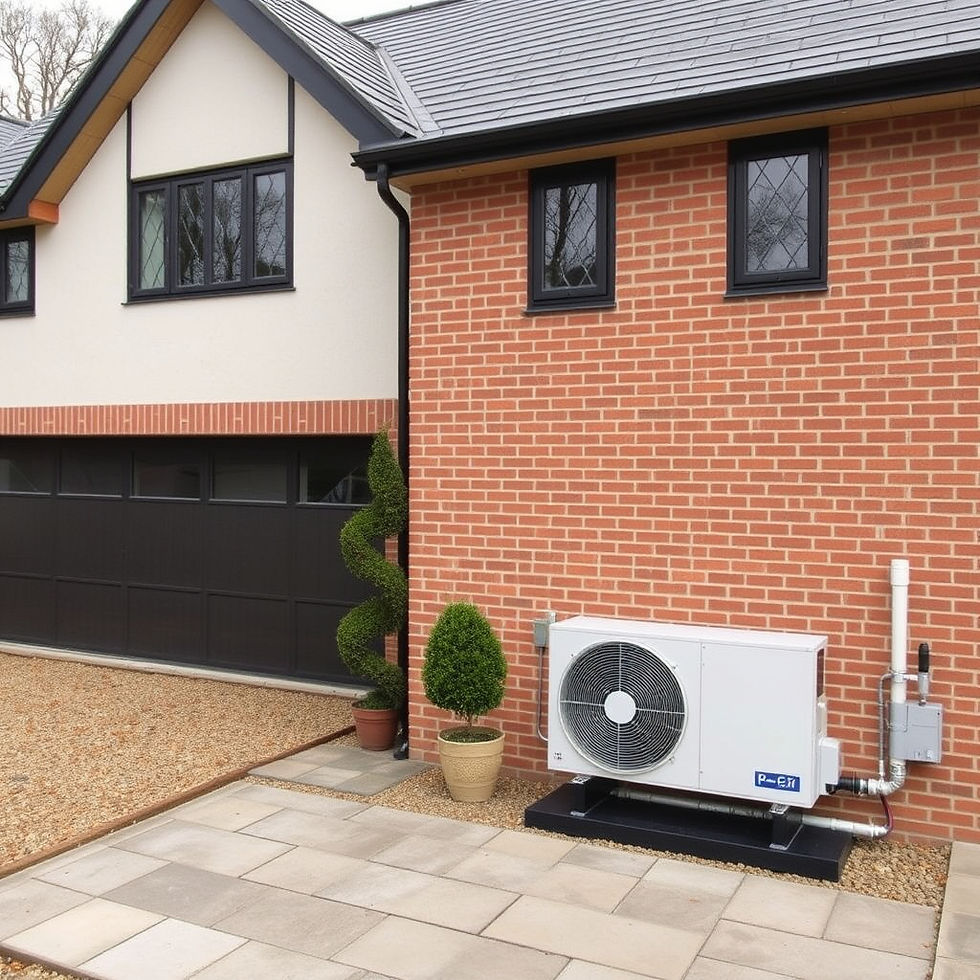
Air source heat pump installed on Elmbridge home exterior
Step-by-Step Guide to Air Source Heat Pump Installation
Installing an air source heat pump involves careful planning and professional expertise. The Essential Connection follows a thorough process to ensure optimal performance and customer satisfaction.
1. Initial Consultation and Site Survey
The process begins with a detailed assessment of your property. Experts evaluate:
Heating and cooling needs based on property size and insulation
Available outdoor space for the unit
Existing heating system compatibility
Electrical supply capacity
This step helps determine the right ASHP model and system size.
2. System Design and Planning
Based on the survey, a tailored system design is created. This includes:
Selecting the heat pump unit and any supplementary equipment
Planning pipework and electrical connections
Considering noise levels and positioning to comply with local regulations
3. Obtaining Permissions and Grants
For high-end installations in Elmbridge, The Essential Connection assists with:
Applying for necessary planning permissions if required
Guiding clients through available government incentives or funding schemes
4. Installation Day
The installation team arrives with all equipment and materials. Key steps include:
Mounting the outdoor unit on a stable, vibration-absorbing base
Connecting refrigerant lines and electrical wiring
Integrating the heat pump with existing radiators or underfloor heating systems
Installing controls and thermostats for user-friendly operation
5. System Testing and Commissioning
After installation, the system undergoes rigorous testing to:
Check refrigerant levels and pressure
Verify electrical safety and connections
Ensure correct operation of heating and cooling modes
Calibrate controls for efficiency
6. User Training and Support
Clients receive guidance on operating the system, maintenance tips, and contact information for ongoing support.
Common Challenges and How to Overcome Them
While ASHPs offer many benefits, some challenges can arise during installation or operation. The Essential Connection addresses these proactively:
Space Constraints
Outdoor units require adequate clearance for airflow. In tight spaces, custom mounting solutions or smaller units may be necessary.
Noise Concerns
Though generally quiet, some units produce sound that neighbors might notice. Positioning the unit away from windows and using sound barriers helps reduce noise.
Electrical Upgrades
Older homes may need electrical system upgrades to handle the heat pump’s power requirements. Early assessment prevents delays.
Cold Climate Performance
ASHP efficiency can drop in very low temperatures. Selecting models with enhanced cold-weather capabilities and using supplementary heating ensures comfort.
Integration with Existing Systems
Combining ASHPs with traditional boilers or heating systems requires careful design to avoid inefficiencies.
Expert Tips for a Successful Air Source Heat Pump Installation
Invest in Professional Assessment
A thorough site survey ensures the system matches your property’s needs and avoids costly mistakes.
Choose High-Quality Units
Reliable brands with proven performance reduce maintenance and improve lifespan.
Prioritize Insulation
Improving your home’s insulation maximizes heat pump efficiency and comfort.
Plan for Future Expansion
Consider potential upgrades or additional renewable technologies when designing your system.
Regular Maintenance
Schedule annual checks to keep the system running smoothly and catch issues early.
Real-Life Example from Elmbridge
A family in Elmbridge recently upgraded their 4-bedroom home with a high-end air source heat pump installed by The Essential Connection. Before installation, their annual heating bill averaged £1,200. After switching, their bills dropped to around £600, a 50% saving. The system also qualified for a government grant, reducing upfront costs.
The installation team carefully positioned the outdoor unit to minimize noise and maintain the home's aesthetic. The family reported improved comfort during winter and summer, with easy-to-use controls.


Comments